How to choose headphones for mixing
What separates headphones you can trust in a mix from headphones that simply sound nice – and how to get the most out of them.
· 3 min read
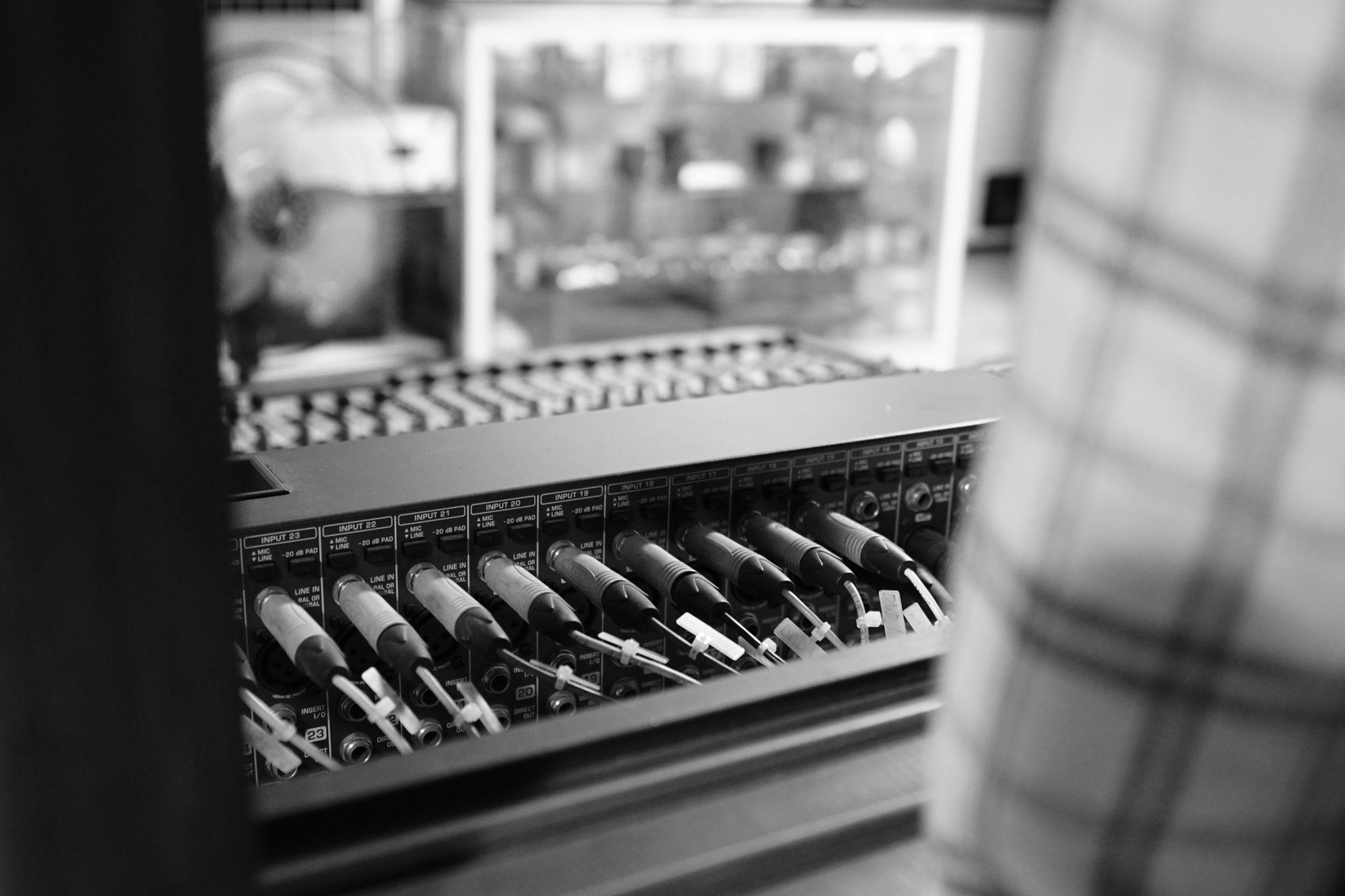
Many people now mix entirely or partly on headphones. It can work very well, but only if you know what your headphones do to the sound and how to interpret what you hear. Here is what matters most.
Neutral beats impressive
Headphones made for casual listening are often deliberately coloured: a little extra bass, a little sparkle in the treble. That is fun to listen to, but in a mix it makes you compensate in the wrong direction. If the bass is boosted in the headphones, you will mix in too little bass, and the mix will sound thin elsewhere.
Look for headphones described as neutral or balanced, and read measurements and reviews from sources that measure frequency response. No headphones are perfectly neutral, but the less they colour the sound, the easier they are to learn.
Open or closed?
For mixing, most people choose open-back headphones. They let sound in and out, which gives a more open and natural presentation and less pressure on the ears during long sessions. The downside is leakage – they are not suitable when someone is recording in the same room.
Closed-back headphones isolate better and are common when recording, so the click track does not bleed into the microphone. They can work for mixing too, but the presentation often feels more enclosed.
Read more in our article Open or closed headphones?
Comfort affects your decisions
A mix takes hours. Headphones that clamp, get warm or weigh too much make you take them off too early – or make worse decisions towards the end of the session. Look at weight, clamping force, pad material and whether the pads are replaceable.
Impedance and amplification
High-impedance headphones often need more voltage than a computer or audio interface can deliver to sound as intended. Check the headphones' impedance and sensitivity and compare with what your output can provide. If it is not enough, a dedicated headphone amplifier is the answer. Low-impedance, high-sensitivity headphones are easier to drive directly from most outputs.
Making the mix translate
Headphones have a few built-in quirks that speakers do not:
- No crosstalk. With speakers, both speakers reach both ears. With headphones, each ear only hears its own side, so panning and stereo width feel exaggerated. Some engineers use crossfeed plugins to imitate speakers.
- You do not feel the bass. Do not rely on feel in the lowest frequencies – use an analyser as support.
- Reference tracks. Listen to finished productions you know well, on the same headphones and at the same level, and compare often.
- Check on other systems. Car stereo, phone speaker, an ordinary pair of earbuds. That is where the mix has to work.
Listen at moderate levels
High volume tires your hearing quickly and makes everything sound more exciting than it is. Mix at a moderate level, take breaks and rest your ears. Your hearing is your most important tool.
In short
Choose headphones that are as neutral and comfortable as possible, make sure they get enough power, and learn how they sound with music you know. A pair you know inside out is worth more than a pair that only impresses in the shop.
More articles

· 3 min read
What is a DAC, and do you need one?
A DAC turns digital music into sound. We explain what it does, when an external DAC makes a difference and when it does not.
Read the article

· 2 min read
Open or closed headphones?
Two designs with different strengths. How they differ in sound, isolation and comfort – and which one suits the way you listen.
Read the article